If you have ever typed "karate classes near me" into a search bar, you already know that there are many local options available. At first glance, many schools look quite similar. They all feature clean uniforms, colorful belts, and promises of building focus and discipline.
For a parent, this wealth of choices can feel a bit overwhelming. It is entirely natural to have questions or even a few anxieties before signing your child up. You might worry about whether the environment will be too intense, if training will encourage aggression, or if your child will feel left out if they are not naturally athletic.
Choosing the right training environment is an important decision. The right karate dojo for kids becomes a team of supportive adults who partner with you to shape your child's confidence and daily habits. Here is a close look at what really matters when selecting a program, designed to give you complete peace of mind.
The Core Philosophy: Karate Dojo vs. Team Sports
Many parents look into structured activities because they want a positive, healthy outlet for their child's energy. Understanding how this specific discipline differs from other after-school activities is the first step in finding the perfect fit.
No One Sits on the Bench
In many traditional team sports, the most naturally athletic kids get the majority of the playing time. Meanwhile, children who are shy or still developing their coordination are often left on the defense or on the bench.
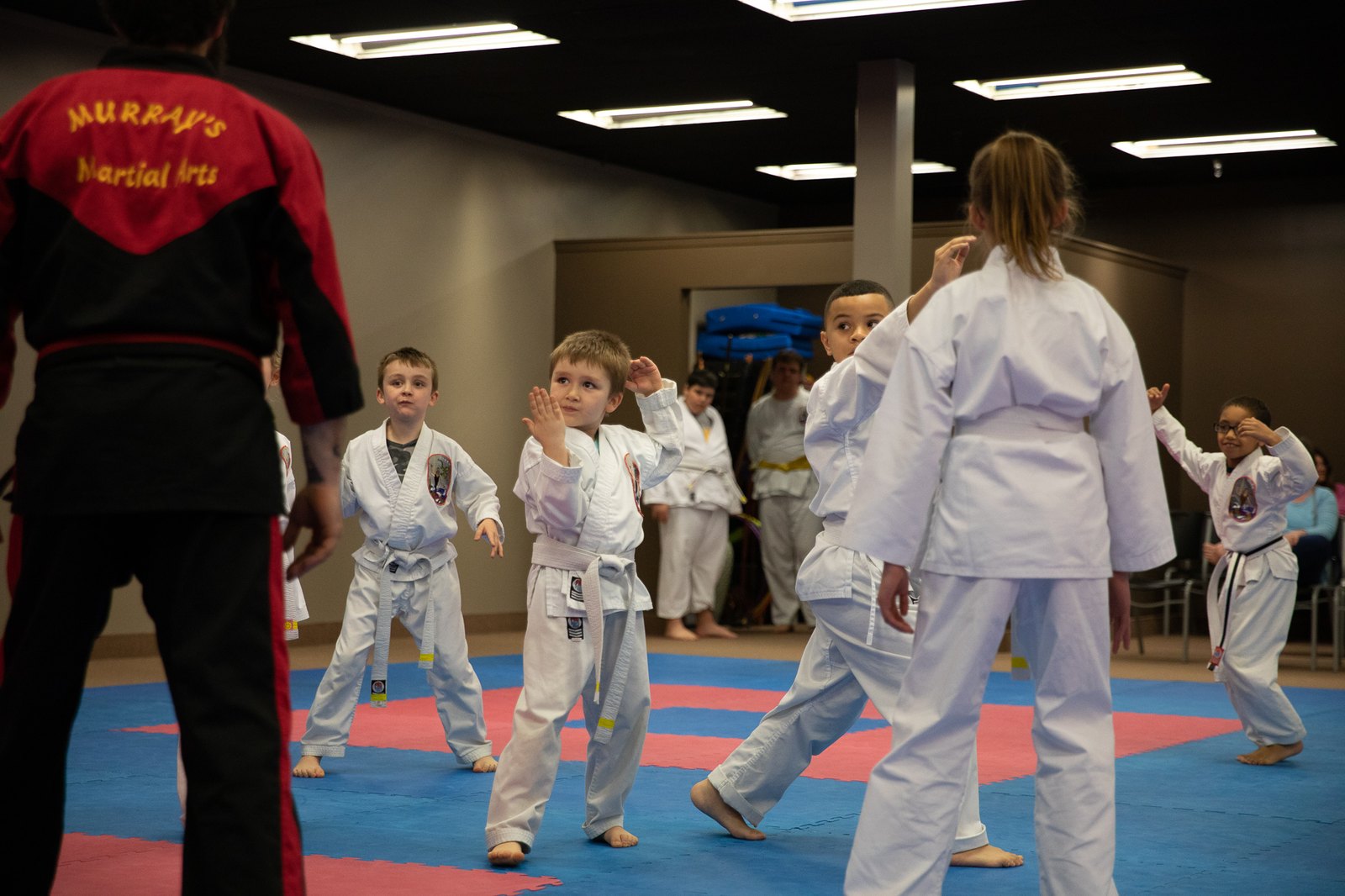
A dedicated karate dojo offers a completely different experience because the training is entirely about your individual child. Every student is on the floor, active, and receiving personalized coaching from the instructors. There are no tryouts, and no child is ever left out of the action.
Developing Resiliency for Real Life
The ultimate goal of traditional karate for kids is to build physical and mental resiliency. This is the ability to take responsibility for one's own actions and emotions, turning setbacks into positive lessons.
When a child learns to navigate physical challenges on the mat, they build a strong self-image. Over time, they carry this mental toughness into their everyday lives. They learn to handle difficult school presentations, peer pressure, and daily stressors with quiet confidence rather than anxiety.
What to Look For in the Senseis and Instructors
Nothing is more important to the success of a school than the quality of its teaching staff. The instructors are the mentors who will be partnering with you to shape your child's daily habits.
Patient Mentors, Not Drill Sergeants
A quality kids program uses positive reinforcement to guide students. Instructors should use a teaching style that praises a child's effort, shows them exactly how to improve, and then expresses genuine belief that they can do it even better.
We recommend avoiding environments where instructors rely on yelling, intimidation, or negative reinforcement. A great mentor knows how to hold a child to a high standard while keeping the experience safe, welcoming, and encouraging.
Strong Student-to-Instructor Ratios
One of the biggest differences between local schools is how much individual attention each student receives. If classes are too large and understaffed, quiet or anxious children can easily get lost in the crowd.
When you observe a class, look for a balanced student-to-instructor ratio. Having assistants on the mat allows the lead instructor to keep kids engaged, correct techniques safely, and give every child the individual feedback they need to feel successful.
A Cohesive Staff and Studio Stability
It is highly beneficial to choose a school with a dedicated team of instructors rather than a single person running everything. When one instructor tries to teach sixty hours a week, manage the business, and handle administrative duties, it is a recipe for burnout.
A professional staff ensures stability. It also gives your child exposure to different teaching styles, which broadens their learning experience while guaranteeing the school remains a stable, thriving part of your local community.
Evaluating the Physical Environment
Before you enroll, it is highly recommended to visit the facility in person. The physical layout and atmosphere of the school will tell you a lot about how the business is managed.
Cleanliness and Safety Standards
Cleanliness is paramount in a facility where children are active every day. When you walk into the lobby, take a moment to look around.
- Check if the restrooms and changing areas are tidy and clean.
- Observe if the training floor is clean and free of clutter.
- Make sure the training mats are in excellent condition with no gaps or tears.
A professional school pays attention to the smallest details, which is a direct reflection of how they care for their students.
Professional Training Equipment
To learn any physical skill, children need the right tools. If a school only has students punch and kick the air, they are missing a vital part of realistic self-defense and coordination training.
- Focus pads for accuracy and hand-eye coordination.
- Kicking shields for balance and power development.
- Heavy bags to teach proper physical impact and control.
- Wall mirrors so students can visually check their own alignment and form.
A Safe and Convenient Location
Consistency is key to your child's success, which means the school should be easy to get to. Look for a training center located in a well-trafficked, accessible area with plenty of well-lit parking.
This ensures that dropping off and picking up your child is always convenient and stress-free, especially during busy evening hours.
Understanding the Commitment and Value
When choosing where to enroll, it helps to understand what to expect regarding schedules, progress, and financial value.
Why Real Progress Takes Time
Teaching character traits like focus, respect, and self-discipline is a long-term journey. Because of this, trying a program for just a week or two is rarely enough time to see lasting behavioral changes.
A quality school focuses on a small, steady improvement in many different areas rather than a fast, temporary fix. To see genuine, life-changing results, parents should look to commit to at least six to twelve months of consistent training.
Quality Versus Price
Your child's safety, self-image, and personal growth are incredibly valuable. When evaluating the cost of tuition, it is helpful to look at the long-term benefits your child will receive rather than simply searching for the cheapest option.
Dojos that value what they offer invest heavily in certified staff, safe facilities, and structured curricula. Choosing a high-quality program ensures your child gets the best possible guidance on their journey.
Welcome to Murray's Martial Arts
If you are looking for a program that perfectly balances safety, structure, and character development, we invite you to look at Murray's Martial Arts in Greece, NY. We specialize in high-quality youth programs that focus on traditional Isshin-Ryu Karate.
Our dedicated teaching staff is fully committed to helping families throughout the Greece, Hilton, and Irondequoit areas raise confident, focused, and resilient leaders.
Classes Formatted for Your Child's Age
A premier school will always offer age-specific classes. At Murray's Martial Arts, we design our programs to meet children right where they are developmentally:
- Karate Fundamentals (Ages 4–6): Designed to build basic coordination, listening skills, and simple courtesy in a warm, welcoming environment.
- Karate Fundamentals (Ages 7–9): Helps children channel their energy into focus, respect, and physical fitness while building self-esteem.
- Isshin-Ryu Karate (Ages 10+): Introduces traditional martial arts, practical self-defense, and real leadership skills for older kids and teens.
This structured setup ensures that the training is always safe, manageable, and highly encouraging. Your child will never be pushed beyond what is appropriate for their age. You can see how each stage works in our kids karate classes by age.
Take the First Step with Peace of Mind
Ultimately, the right dojo is a positive community where your child feels seen, supported, and excited to return each week. We warmly invite you to visit our dojo, meet our instructors, and see firsthand how our structured, family-friendly environment can support your child's growth.
Ready to see it for yourself?
EXPLORE OUR PROGRAMSFrequently Asked Questions
Keep Reading
Self-Defense and Safety Skills for Preschoolers in Greece, NY
What real safety training looks like for ages 3 to 6 — boundaries, listening habits, and confidence, never combat.
Parent ResourcesEverything You Need to Know Before Your Child’s First Karate Self-Defense Class in Greece, NY
What to expect, how to prepare, and why the first class at Murray’s is built to make shy kids feel right at home.
Kids & ConfidenceHow Kids Karate Anti-Bullying Strategies Build Confidence in Greece, NY
Real bullying prevention starts with posture, voice, and emotional control — here is how Isshin-Ryu training builds all three.
Parent Resources5 Essential Skills in Practical Self-Defense for Children in Northwest Rochester
Five practical physical skills and a prevention-first mindset that help children recognize danger, set boundaries, escape safely, and seek help.
Parent ResourcesFrom Shy to Social: How Martial Arts in Hilton Helps Introverted Kids Make Friends
How structured youth karate gives quiet, introverted children a safe way to build confidence, friendships, and social skills.
Parent ResourcesWhat Are the Main Physical and Mental Benefits of Karate for Children?
How traditional karate builds fitness, coordination, focus, and emotional self-control — and how our dojo keeps kids safe on the mat.
Parent ResourcesWhat Age Should Children Learn Self-Defense? Youth Karate in Rochester, NY
A parent's guide to readiness signs and what age-appropriate self-defense looks like from ages 4 to 15.